The three boys from Lignano returned from the Syrian border
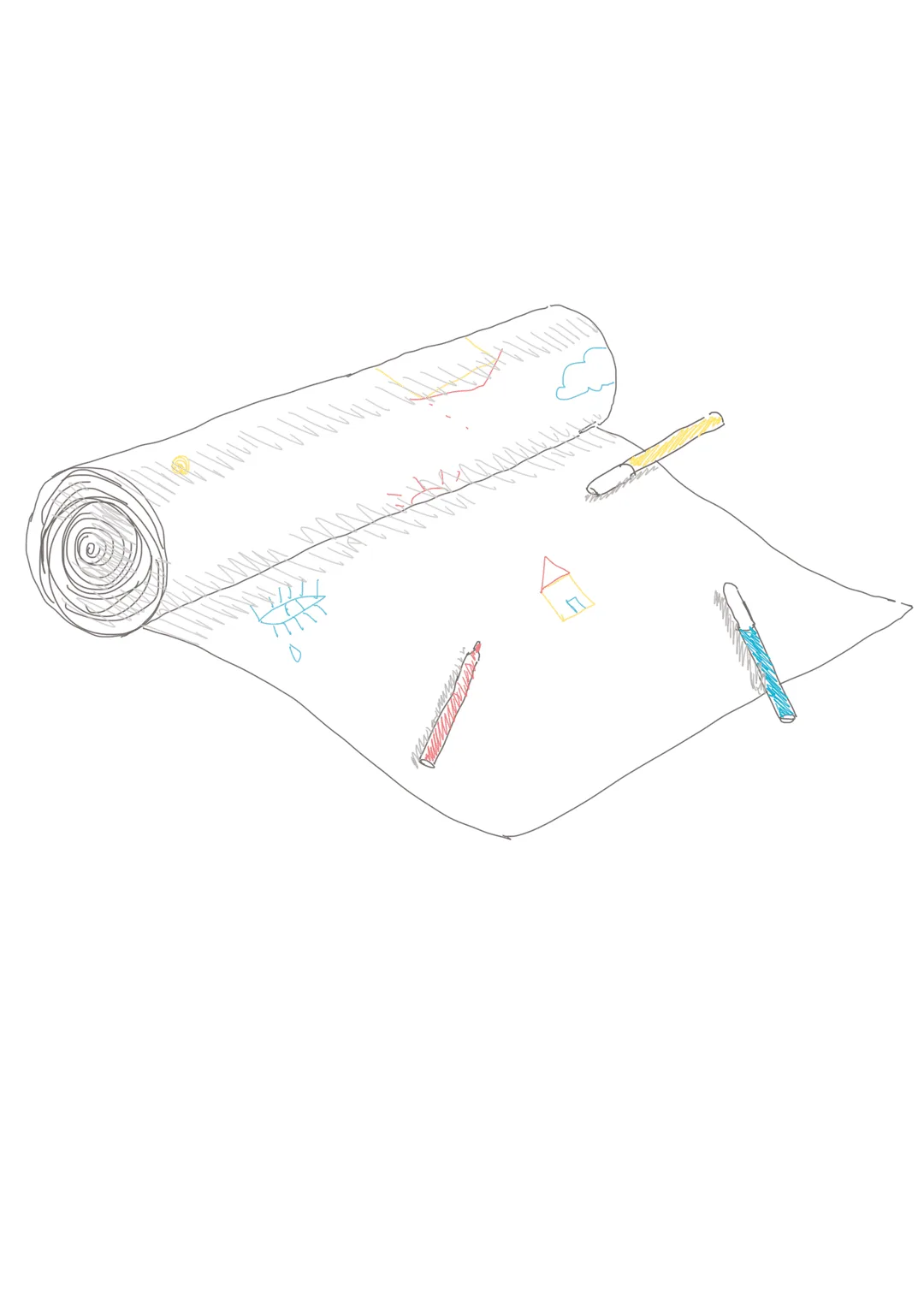
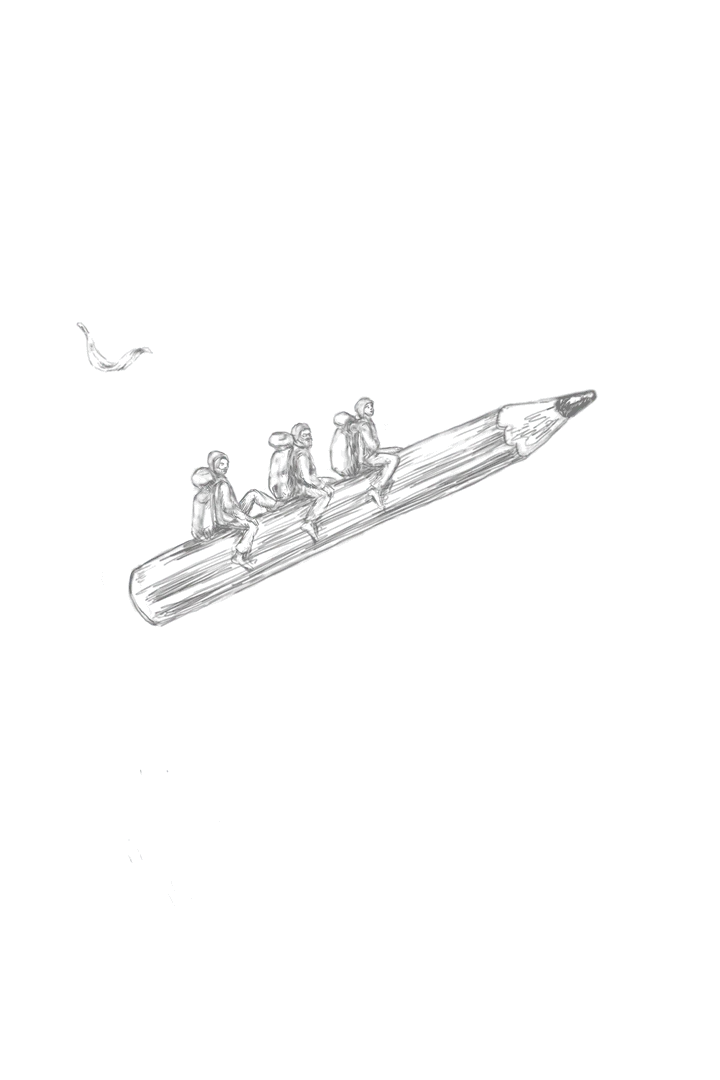
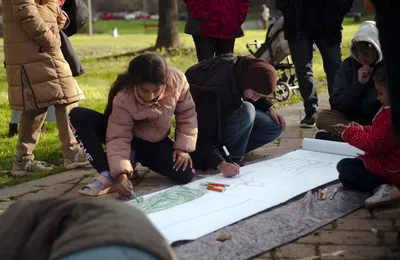
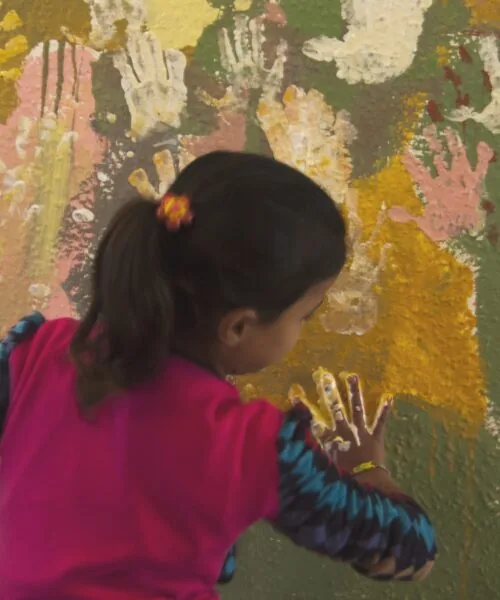
Left from Lignano last year 28 October they crossed 9 countries by retracing the route that thousands of refugees undertake daily to reach Europe. Accompanied by a roll of paper 30 meters were able to interact through the language of art by providing to the migrants themselves, mostly to children, a universal means to tell their journey
Well equipped and accompanied by the father of two of the three boys of the Ass. Menti Libere left at the end of October, choosing Gorizia as their first and last Italian stop. Who, in the parish center where the Insieme Con Voi Association prepares meals with the children waiting for kindergarten, the scroll was joyfully inaugurated.
They arrive in Slovenia and after a few days in Ljubljana they go to the Austrian-Slovenian border where the conditions of the migrants, in those days, they were quite tragic. They then decide to move south and after a train and a few days of walking they reach Dobova. Who, hosted by the parish priest, they find themselves volunteering for a few days in the militarized but well-functioning camp in the town on the border with Croatia. They enter Croatian land and after a short stop in Zagreb it is the turn of the Slavonskj Brod camp. Here the situation is grotesque, it is completely managed by the military who make it practically impossible to enter as volunteers but the camp is completely empty.
Thus they decide to enter Serbia and arrive in Belgrade where they immediately enter the vortex of welcome. They spend their mornings as volunteers at the Miksaliste spontaneous solidarity center and their afternoons at the park carrying out various drawing activities on the scroll with the children and teenagers present, some passing through for a few hours and some stopping a few days after the exhausting Bulgarian journey. After a short break in Sarajevo they return to Serbia again and their father is here, now of all three, not without difficulty he takes the way back home.
With a great desire to get away from the concrete, the three head towards the border with Bulgaria in search of increasingly precious rurality. After days of walking, nights in tents in the mountains and daring encounters arrive in a remote village made up of earthen houses and farmers. They find hospitality with an elderly rakia producer and, to the sound of cut apples, they enjoy the magical hospitality of the people of those areas. ''People from whom we should all learn the art of hospitality, arte sincera che non necessita di domande‘’ dice Paolo alla fine di queste breve ma intensa esperienza rurale.
After days of walking it's time for the buses to take them to Presevo, on the border with Macedonia and overlooking the nearby and maligned Kosovo. Here the atmosphere changes completely, the minarets act almost as a welcoming committee for all people coming from Macedonia. The registration field is off limits, the real fulcrum of the action is the train station where the refugees spend hours and hours coldly waiting for the next train heading north. E’ qui che i volontari possono agire cercando di donare un po’ di calore ed è qui che i tre sperimentano per la prima volta il potere magico del rotolone. ''We were strangers and all of a sudden, when the scroll was there on the floor with the markers, all barriers have vanished. Suddenly there were children drawing, I started to portray a child who in turn portrayed me on the scroll, a mother came over to give me an Arabic lesson and other kids came over to write. It was as if for a moment art had permeated that sad station with magic. E’ stata una grande sorpresa per me vedere come possa avvicinare così velocemente le persone e metterle in comunicazione diretta, senza bisogno di parole’’ queste le parole di Tommaso appena lasciata la stazione alla volta di Skopje. After two days of rest it is time to move towards the hot situation on the border between Greece and Macedonia where a few days ago a barbed wire wall and an immense bureaucratic wall were erected for all those who do not come from Syria, Iraq and Afghanistan.
The situation that welcomes them is inhumane. The tents placed by large organizations are not at all sufficient to accommodate the thousands of people who flock here every day to cross the border. Most people sleep in small tents that are not water resistant and here and there the wooden beams of the rail are burned to combat the biting cold. Food is scarce and the only hot meals are provided by a food truck that has arrived for the occasion, but few can afford it. Some kids say that every day some child dies. Some African kids express their depression and don't hide the thought of ending it. Tension is running high.
Traumatized by this tragic scene at the gates of the West, they move to Kavala, one of the arrival points for ferries leaving from Lesbos. After a few days they decide to take the same ferry and reach the aforementioned Greek island.
Without even realizing it, from the first day they find themselves immersed in the vortex of action in an independent camp built near one of the beaches where hundreds of people disembark every day.. They pitch their tent on the beach and don't move from the camp for days, a nice group of volunteers is formed and we cook all day to guarantee the new arrivals a meal and a hot drink, there is a clothing department and tents are set up in which to spend the night. The best volunteers are precisely the people who have just landed who want to demonstrate immense gratitude for the little but sincere help they receive, These are tiring and emotionally very strong days. After two hectic weeks the three enter Turkey and go to Izmir to understand more about human trafficking. They don't just sell expensive passages to get to Greece on miserable pieces of rubber, children are trafficked and life jackets collected on the beaches of Lesbos are resold. An unscrupulous business.
They finally arrive in Istanbul where the NGO Support To Life awaits them to carry out an art project with Syrian children who participate in the activities of the organization's center. They immediately find themselves among a group of Syrian friends, artists and activists, who meet every day at the Ad.Dar community center. The project begins and after a series of activities including drawing, brainstorming vari, theatrical games and gardening, the theme is identified which will then be represented on the center wall : Hope is the way.
After three weeks of living in Istanbul one of the three travelers returns to Italy for personal reasons and the other two begin to prepare to travel again. After dozens of hours on the bus along the Mediterranean they finally arrive in Antachia, one of the first cities where Syrian displaced people land. Here they go to a village near the border, village with a Syrian majority, in which they plan to carry out artistic activities in a community centre. Il ‘’caso’’ vuole che una mattina incontrano un losco personaggio che riesce per un attimo ad abbindolarli. He speaks very well, he says he has contacts in Syria and on the border, he knows various situations where they could help and asks for money, to help people he says. It becomes pressing, follows them and visits them every day in retirement. The two no longer feel safe, they don't know how far a man would go for money, they are tired from the trip and so decide to change plans. They have traveled 3000 km and they did a lot, they feel they are tired and decide it's time to go home. Prendono un aereo e passano un po’ di giorni a Istanbul ospiti dagli amici siriani e poi, always on the plane, they return home.
After a well-deserved rest they will get to work to give the scroll the right importance. In fact, they believe that it represents a new way of talking about the current situation of refugees, in fact, it is the children themselves who through art, language of all and for all, they tell their journey of tragedy and a lot of hope. They will then look for ways to translate it and make a book based on it, then they will start looking for a publisher.